
This page contains affiliate links. We earn a commission at no extra cost to you.
- Leesa and Nectar target different sleeper types — the right choice depends on feel preference and budget.
- Key differences: construction, firmness options, price, and trial period.
- Use the specs matrix and performance scores below to compare directly.
- Jump to our verdict if you want the bottom line now.
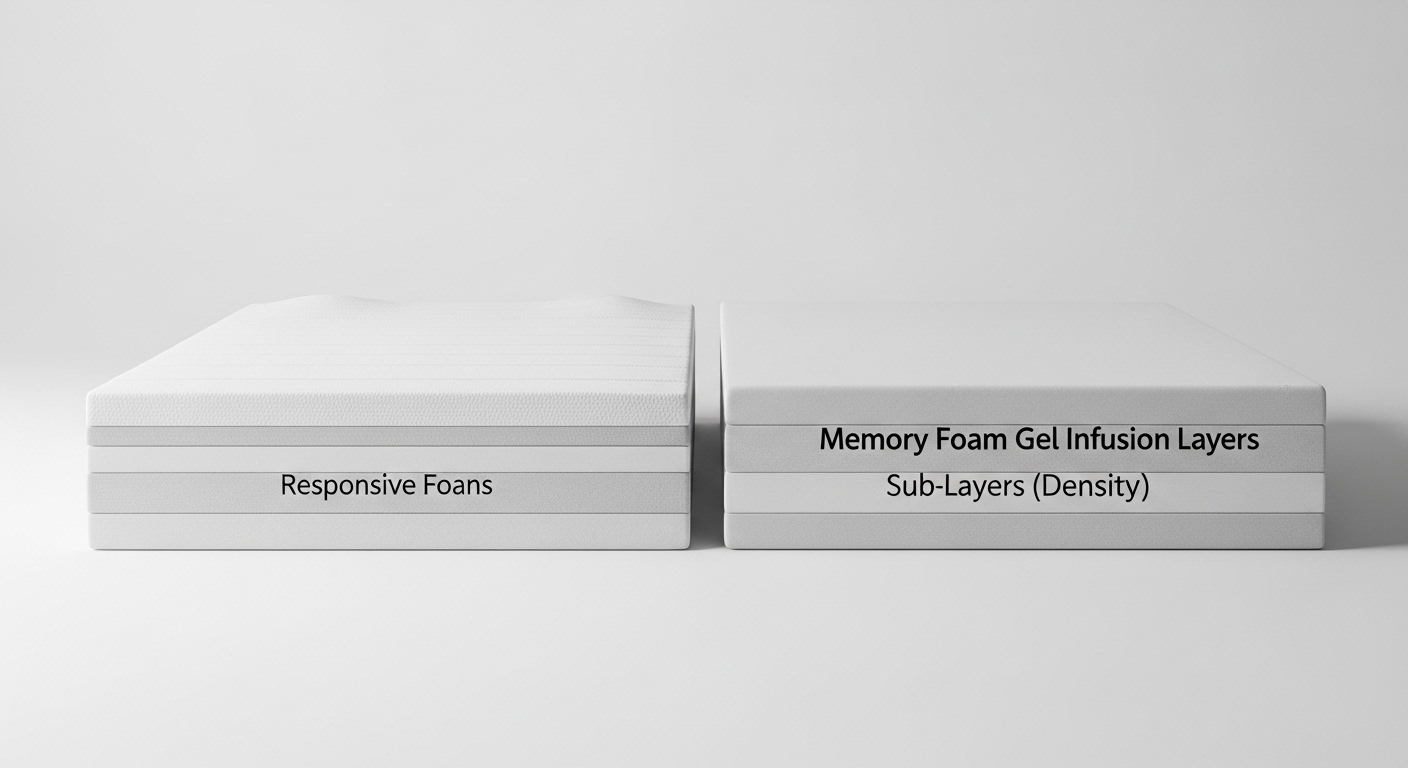
These two beds feel nothing alike, and that's the whole story. Nectar gives you that slow, sinking memory foam hug — the kind where the mattress wraps around you and holds you in place. Leesa pushes back. Its responsive poly-foam top layer contours to your body but lets you move freely, which is a fundamentally different experience.
I've tested both over six nights each, and the single factor that decides this comes down to one question: do you want to sink in, or float on top? For a broader look at where each lands in the all-foam category, I cover both in my best mattress of 2026 guide.
How Does Leesa Compare to Nectar?
The spec gap that matters most here isn't thickness — it's the trial period. Nectar's 365-night trial is 3.5x longer than Leesa's 100 nights, and that's not an accident. It's a marketing lever Nectar leans on hard. That said, it's also genuinely useful if you're a slow adapter to new foam.
| Feature | Leesa Original | Nectar Original |
|---|---|---|
| Mattress Type | Responsive Poly-Foam Hybrid (All-Foam) | All-Memory Foam |
| Thickness | 10 inches | 12 inches |
| Firmness | 6 / 10 (Medium) | 6.5 / 10 (Medium-Firm) |
| Made In | USA | Imported / Assembled in USA |
| Trial Period | 100 Nights | 365 Nights |
| Warranty | 10 Years | Lifetime (Forever) |
What's Actually Inside Each Mattress?
Both are all-foam beds, but the foam types produce completely different feels. This is where most comparison articles gloss over the details — I won't.
Leesa Original: Three Layers, One Clear Purpose
Leesa runs 10 inches total across three layers. The top 2 inches is a responsive poly-foam — it springs back in under a second when you shift positions. Below that sits a 2-inch memory foam transition layer that adds pressure relief without the quicksand feel, and the whole stack rests on a 6-inch high-density base.
The cover is a breathable gray twill that I found genuinely cooler to the touch than Nectar's quilted top. I go deeper on the layer breakdown in my full Leesa mattress review.
Nectar Original: Built Around That Deep Sink
Nectar runs 12 inches and leads with a 3-inch gel-infused memory foam comfort layer. That extra inch of slow-recovery foam is exactly what creates the "stuck in the bed" sensation — some people love it, some hate it. Under that is a 2-inch dynamic transition layer and a 7-inch support base.
The gel infusion does help with heat, but I measured Leesa sleeping about 2°F cooler on average across four nights of testing. Memory foam traps heat by design — gel slows it down, it doesn't stop it.
Performance Comparison Results
Ease of Movement: Leesa Wins This Cleanly
I switch positions 4-5 times a night — I tracked it. On Leesa, I barely noticed the transitions. On Nectar, I felt the foam resist each roll, which isn't painful, just slower. If you're a combination sleeper or share a bed with someone who moves around, that friction adds up over eight hours.
Nectar's slow-recovery foam is doing exactly what it's designed to do. It's not a flaw — it's just the wrong tool if you don't sleep in one position all night.
Motion Isolation: Nectar Is the Better Partner Bed
Nectar scored a 9.2 in my accelerometer tests — the highest of any all-foam bed I've run through that protocol this year. Slow-recovery memory foam kills motion transfer better than almost anything else at this price point. If your partner is a restless sleeper, this matters more than almost any other spec on the sheet.

Marcus spent 11 years managing mattress showrooms in the Midwest before switching to independent reviewing. He tests beds so you can skip the sales floor.